
The Cleveland Home Inspection Checklist: 12 Items Every Buyer Must Verify in a Pre-1978 Property
TL;DR
- A large share of Cleveland’s housing stock was built before 1978, which triggers lead-based paint disclosure requirements under federal law.
- Buyers should hire Ohio lead-safe certified professionals for proper inspection and compliance.
- Older homes in neighborhoods like Lakewood, Tremont, Ohio City, and University Circle often contain asbestos, galvanized plumbing, knob-and-tube wiring, and aging electrical panels.
- Not every inspection issue is a deal-breaker. Some are negotiation tools.
- Include strong inspection contingency language in your purchase agreement.
- In the competitive 2026 Northeast Ohio market, inspections still matter.
- Work with an experienced team that knows Cleveland’s older housing inventory inside and out.
Introduction: Why Pre-1978 Home Inspections Matter in Cleveland
If you’re buying a home in Cleveland, there’s a good chance it was built before 1978.
From classic colonials in Shaker Heights to century homes in Tremont and Ohio City, Northeast Ohio’s charm comes from its historic housing stock. But older homes require a different level of due diligence.
Federal law requires specific lead-based paint disclosures for homes built before 1978. Beyond that, Cleveland buyers often face aging mechanical systems, outdated electrical components, and environmental concerns that simply do not appear in newer construction.
In the 2026 Northeast Ohio housing market, where desirable homes in Cuyahoga, Lake, Medina, and Summit counties can still attract strong interest, you need to protect yourself without losing competitiveness.
This Cleveland-specific home inspection checklist will walk you through 12 critical items to verify before you close on a pre-1978 property.
The 12-Point Cleveland Pre-1978 Home Inspection Checklist
This framework aligns with comprehensive local inspection standards for older homes in Northeast Ohio, including structured pre-1978 inspection checklists used by Cleveland-area inspectors Source: https://www.hometeam.com/oh/cleveland/pre-1978-inspection-checklist
1. Lead-Based Paint Verification and Disclosure
Homes built before 1978 may contain lead-based paint. Federal law requires sellers to:
- Provide a Lead-Based Paint Disclosure form
- Share any known reports
- Allow a 10-day window for testing if requested
In Ohio, buyers should verify that any inspection or risk assessment is performed by a certified professional. The Ohio EPA outlines lead-safe certification requirements for inspectors and contractors Source: https://epa.ohio.gov/divisions-and-offices/surface-water/reports-data/lead-safe-certification
For Cleveland-specific procedures and testing protocols, local specialists offer detailed lead paint inspection services tailored to older housing stock Source: https://www.clevelandhomeinspectors.com/services/lead-paint-inspection
What to ask your inspector:
- Is this a visual assessment or full lead risk assessment?
- Are you Ohio-certified for lead-safe work?
- What are the remediation options and cost ranges?
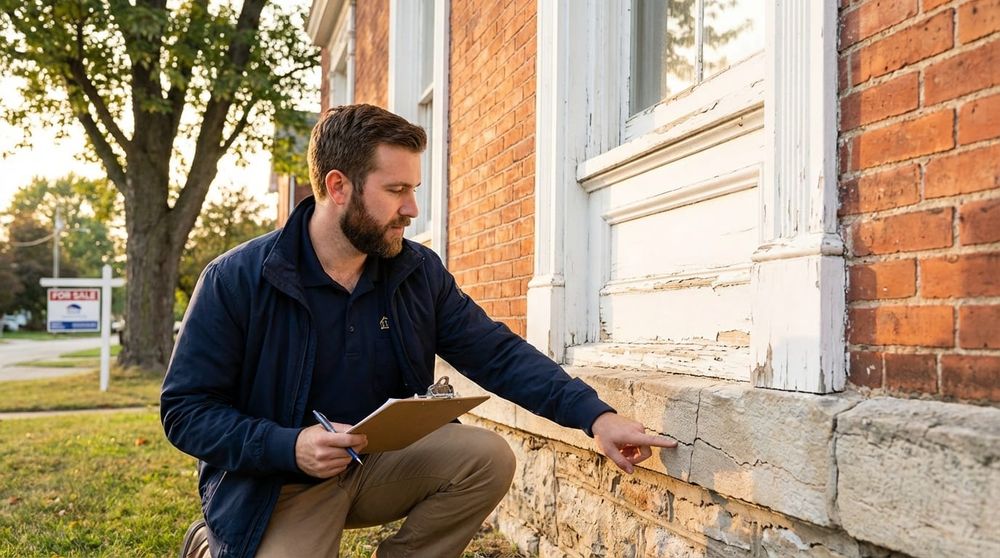
Lead is not automatically a deal-breaker. Many Cleveland homes contain encapsulated lead paint that is stable. The issue becomes serious when paint is chipping, deteriorating, or present on friction surfaces like windows.
2. Asbestos in Insulation, Flooring, and Ductwork
Asbestos was commonly used in:
- Pipe insulation
- Vermiculite attic insulation
- 9x9 floor tiles
- HVAC duct wrap
If disturbed, asbestos fibers can become airborne. Testing should only be performed by qualified professionals.
Cleveland-area inspection companies offer asbestos testing services specifically for older homes Source: https://www.amerispec.com/oh/cleveland/asbestos-testing
Important distinction: Asbestos that is intact and undisturbed is often manageable. Friable or damaged asbestos may require professional abatement.
3. Knob-and-Tube Wiring and Outdated Electrical Systems
Many pre-1978 homes in Cleveland still contain knob-and-tube wiring, particularly in attics and walls.
Risks include:
- Lack of grounding
- Insulation breakdown
- Insurance challenges
Ohio inspectors frequently identify electrical risks unique to pre-1978 homes, including knob-and-tube systems Source: https://ohiohomeinspections.com/electrical-systems-pre-1978
Also verify:
- Panel amperage capacity
- Double-tapped breakers
- Federal Pacific or Zinsco panels
Upgrading electrical systems can cost thousands, making this either a negotiation tool or a major reconsideration point.
4. Galvanized Plumbing and Lead Service Lines
Older Cleveland homes often feature galvanized steel pipes, which can corrode internally and reduce water pressure.
Ask:
- Are supply lines galvanized or copper?
- Is there evidence of rust-colored water?
- Has the main service line been replaced?
In some neighborhoods, lead water service lines may still exist. Replacement can be expensive, so clarify responsibility and potential municipal programs.
5. Foundation and Structural Integrity
Cleveland’s freeze-thaw cycles affect foundations, especially in century homes.
Inspect for:
- Horizontal cracks in basement walls
- Bowing block walls
- Water intrusion or efflorescence
- Uneven floors
Minor cracking is common. Structural shifting or active water penetration requires deeper evaluation.
6. Roof Condition and Ventilation
Many older homes have multiple roof layers or outdated ventilation.
Verify:
- Age of roof
- Number of shingle layers
- Proper attic airflow
- Signs of ice damming
In Northeast Ohio winters, poor ventilation can shorten roof lifespan.
7. HVAC System Age and Efficiency
Heating systems in older homes vary widely.
Check:
- Furnace age and service history
- Boiler condition in radiator-heated homes
- Ductwork integrity
- Presence of central air
In 2026, buyers should also evaluate energy efficiency and potential upgrade costs.
8. Windows and Insulation
Original wood windows are common in neighborhoods like Lakewood and Cleveland Heights.
Ask:
- Are windows operational?
- Is there evidence of rot?
- Is attic insulation adequate?
Older homes were not built with modern energy standards. Efficiency upgrades can improve comfort and resale value.
9. Sewer Line Scope
Tree-lined streets are beautiful, but roots can infiltrate clay sewer lines.
A separate sewer scope inspection can identify:
- Root intrusion
- Collapsed sections
- Offset joints
This relatively low-cost add-on can prevent a five-figure surprise.
10. Basement Moisture and Drainage
Basement dampness is common in older Cleveland homes.
Inspect for:
- Sump pump functionality
- Proper grading around foundation
- Downspout extensions
- Mold-like growth
Some moisture is manageable. Chronic flooding is not.
11. Chimney and Fireplace Safety
Older masonry chimneys may require:
- Tuckpointing
- Flue liner installation
- Crown repair
Have fireplaces inspected before use, especially in century homes.
12. Code Compliance and Safety Upgrades
Older homes were built under outdated building codes.
Verify:
- GFCI outlets in kitchens and baths
- Proper stair railings
- Smoke and carbon monoxide detectors
Not every code update is required unless remodeling, but safety improvements should factor into your decision.
Deal-Breaker vs Negotiation Chip
Not all inspection findings are equal.
Often Negotiable:
- Aging but functional furnace
- Older roof with remaining life
- Minor plumbing leaks
- Cosmetic asbestos tile
Potential Deal-Breakers:
- Structural foundation failure
- Major electrical fire hazards
- Significant active water intrusion
- Severe lead hazards without remediation plan
Your agent should help you assess repair cost, safety implications, and resale impact.
Inspection Contingency Language Buyers Should Include
In 2026’s competitive Northeast Ohio market, some buyers feel pressure to waive inspections. We strongly advise caution.
Your purchase agreement should include:
- General home inspection contingency
- Right to request repairs or credits
- Lead inspection window if applicable
- Option for sewer scope
If you want to understand broader 2026 market dynamics before writing an offer, review our market update here: https://ohiorealestatesource.com/blog/northeast-ohio-housing-market-2026
Also remember to factor long-term costs like property taxes into your budget: https://ohiorealestatesource.com/blog/understanding-property-taxes-in-ohio
Local Market Insights for 2026 Buyers
In 2026:
- Inventory in desirable suburbs like Solon, Hudson, and Beachwood remains competitive
- Historic neighborhoods in Cleveland proper continue to attract first-time buyers and investors
- Updated century homes command premium pricing
Buyers who understand inspection risks move faster and negotiate smarter. In markets like Cuyahoga and Medina counties, preparedness often wins the deal.
Why Choose The Young Team
At The Young Team, we’ve served Northeast Ohio since 2003.
We are:
- #1 Real Estate Team in Ohio
- #15 Team in the United States by units sold
- 4,000+ lifetime transactions
- $1B+ total real estate sold
- 1,470+ five-star Google reviews
- Serving 500+ families annually
Our mission is to revolutionize real estate through exceptional client experiences.
What Sets Us Apart
Client First We deliver a 6-star experience before, during, and after your purchase.
Lean on Experience With 30+ years of combined experience, our team collaborates to protect you at every step.
Embrace Innovation We use modern tools and strategic negotiation to keep you competitive without sacrificing protection.
Special Programs
- Guaranteed Cash Offer Program
- Worry-Free Listing Program
- Forever Client Care with trusted vendor referrals
When buying a pre-1978 home, you need more than a checklist. You need experienced guidance.
FAQ: Cleveland Pre-1978 Home Inspections
Do I have to test for lead paint in Cleveland?
Federal law requires disclosure for homes built before 1978. Testing is optional but strongly recommended, especially if children will live in the home.
Is knob-and-tube wiring illegal in Ohio?
It is not automatically illegal, but insurers may require updates. Safety and capacity concerns often justify replacement.
Should I waive inspection in a competitive market?
In most cases, no. There are strategic ways to remain competitive while keeping inspection protections.
Are century homes in Cleveland a bad investment?
Not at all. Many are solidly built and highly desirable. The key is proper inspection and smart negotiation.
Next Steps
If you’re considering buying a pre-1978 home in Cleveland, Lakewood, Shaker Heights, Akron, or anywhere in Greater Northeast Ohio, let’s talk.
📍 The Young Team 34105 Chagrin Blvd Moreland Hills, OH 44022
📞 216-402-4774 🌐 theyoungteam.com
We’ll help you write a strong offer, structure the right contingencies, and interpret inspection findings with clarity.
Conclusion
Cleveland’s historic homes are part of what makes our region special. From charming front porches in Lakewood to stately colonials in Pepper Pike, these homes tell a story.
But smart buyers in 2026 know that charm must be paired with careful verification.
Use this 12-point Cleveland home inspection checklist as your guide. Ask the right questions. Hire certified professionals. Protect your investment.
And when you’re ready to take the next step, The Young Team is here to serve you with experience, strategy, and a commitment to turning you into a lifelong fan.